
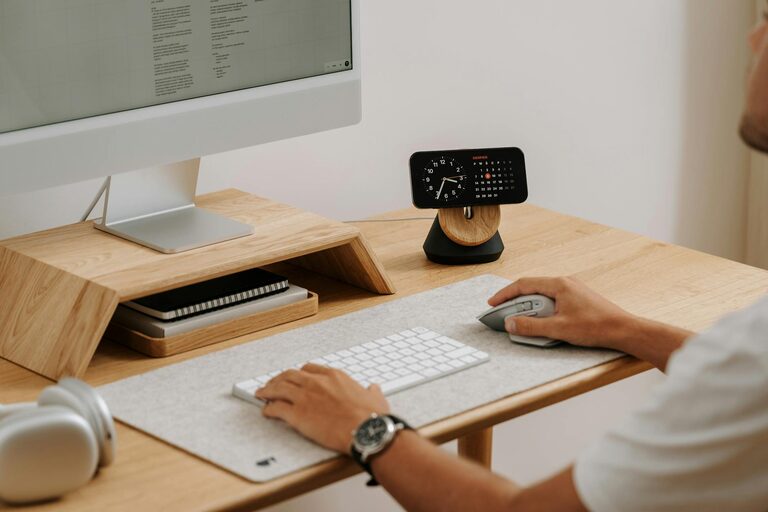
Paper clutter can quickly take over our homes, making it difficult to find important documents and creating unnecessary stress. Whether it’s old mail, receipts, school papers, or scrap notes, reducing household paper clutter is a simple way to improve your space and peace of mind. In this post, we’ll explore easy and effective strategies to help you manage your paper piles, retain important documents, and maintain a clutter-free home.
Why Reducing Paper Clutter Matters
Living with excessive paper clutter isn’t just about aesthetics. Papers can accumulate dust, hide allergens, and take up valuable space. Additionally, disorganized papers mean lost bills, missed deadlines, and wasted time searching for important documents. Creating a system to reduce and manage paper clutter leads to better organization, less stress, and more efficient use of your living areas.
Step 1: Establish a Paper Sorting Station
Start by designating a specific spot in your home as a sorting station. This can be a small table, a countertop, or a shelf near where mail typically arrives. Having a dedicated space encourages sorting through papers immediately instead of letting them pile up in random places.
What You Need at Your Sorting Station:
– Trays or bins labeled “To File,” “To Pay,” “To Action,” and “Recycle”
– A shredder for sensitive documents
– Filing folders or boxes nearby
– Pens and sticky notes for quick labeling
Step 2: Create a Simple Filing System
An easy-to-use filing system makes managing paper effortless. It should be customized to your household’s needs.
Tips for an Effective Filing System:
– Use broad categories such as “Bills,” “Receipts,” “Medical,” “School,” and “Important Personal Documents”
– Keep the filing system in a central, accessible place
– Use color-coded folders or labels for quick identification
– Review and purge files every few months
Step 3: Go Digital Whenever Possible
One of the best ways to reduce physical paper is to switch to digital.
How to Transition to Digital:
– Sign up for paperless billing and online statements from your utility companies and banks
– Use a smartphone app to scan important documents and receipts
– Store scanned files in organized folders on your computer or cloud storage
– Back up essential files regularly to avoid loss
Step 4: Manage Incoming Paper Immediately
To prevent piles from forming, sort mail and other papers as soon as they arrive.
Daily Paper Habits:
– Sort mail over your paper sorting station right away
– Recycle junk mail immediately
– Place actionable items like bills in the “To Pay” tray to be addressed promptly
– File or shred important documents on the same day
Step 5: Limit Paper in Your Daily Life
Reducing paper clutter begins with controlling how much paper you invite into your home.
Ways to Limit Paper Intake:
– Opt-out of catalogs, junk mail, and promotional flyers through services like DMAchoice.org
– Unsubscribe from unnecessary newsletters or printed subscriptions
– Encourage electronic notes, invitations, and correspondence among family and friends
Step 6: Use Organizers and Storage Solutions
Investing in a few simple organizers can help keep papers contained and easy to manage.
Useful Organizers Include:
– Desktop letter trays for ongoing projects
– Accordion folders for categorizing receipts and warranties
– Labelled binders for children’s schoolwork or financial records
– Vertical wall files to save counter space
Step 7: Purge Paper Regularly
Paper clutter is an ongoing challenge, so schedule regular decluttering sessions.
Purge Tips:
– Set a reminder to declutter your filing system every 3–6 months
– Shred sensitive documents that are no longer needed
– Recycle papers that have no long-term value
– Digitize items before discarding if you want to keep a copy without the physical paper
Step 8: Teach Family Members Good Habits
Keeping paper clutter under control is easier when everyone in the household helps out.
Encourage Family Participation:
– Show kids where to place school papers and artwork
– Teach family members to open and sort mail immediately
– Share your digital storage methods and encourage their use
– Assign simple paper-related chores, such as recycling or filing
Conclusion
Reducing household paper clutter is not complicated. By creating dedicated spaces, adopting a simple filing system, embracing digital alternatives, and staying consistent with sorting and purging, you can enjoy a more organized home with less stress. Start small with one or two changes and build from there—your future self will thank you for it!
—
Remember, the goal is progress, not perfection. With these simple steps, tackling paper clutter becomes manageable and even rewarding. Happy organizing!