
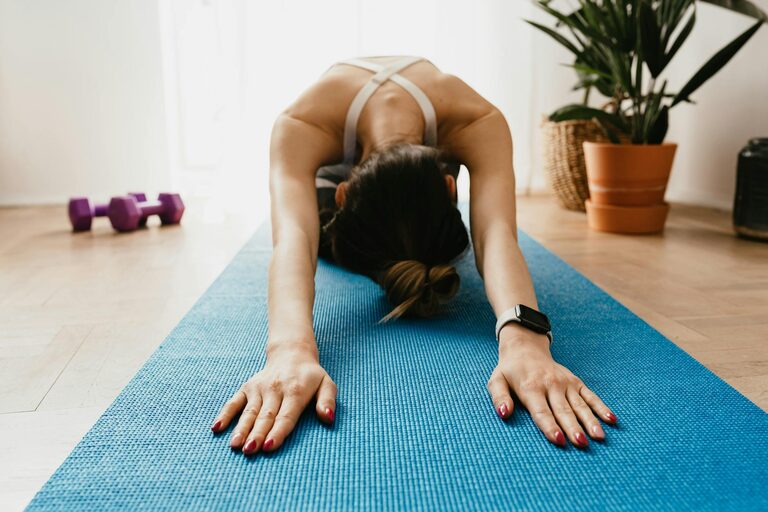
Stretching is an essential part of staying healthy and feeling good in your body. Whether you’re new to exercising or just want to add some movement to your daily routine, stretching at home is a simple and effective way to improve your flexibility, reduce muscle tension, and enhance overall well-being. This beginner’s guide will walk you through the basics of stretching, explain its benefits, and provide easy routines you can try today.
Why Stretching Matters
Stretching helps lengthen your muscles and improve your range of motion. When done regularly, it can:
– Increase flexibility and mobility
– Reduce the risk of injury
– Improve posture and balance
– Relieve muscle tension and stiffness
– Enhance blood circulation
– Promote relaxation and reduce stress
Starting a stretching routine doesn’t require any special equipment, and it can be done almost anywhere — making it perfect for busy lifestyles.
Types of Stretching
Before you begin, it’s helpful to understand the two main types of stretching:
Static Stretching
Static stretches involve holding a muscle in a stretched position for 15 to 60 seconds. This type of stretching is great after a workout or as part of a daily routine to increase flexibility.
Dynamic Stretching
Dynamic stretches involve moving parts of your body through a full range of motion in a controlled way. These are often used as warm-ups before exercise to prepare your muscles and joints.
As a beginner, focusing on static stretching at home is a safe and effective way to get started.
Preparing to Stretch Safely
To get the most out of stretching and avoid injury, keep these tips in mind:
– Warm up first: Stretching cold muscles can lead to injury. Warm up by walking or marching in place for 3-5 minutes before stretching.
– Stretch gently: Never force a stretch or bounce. Move slowly to the point of mild tension, not pain.
– Breathe deeply: Use a steady, calm breath to help your muscles relax during stretches.
– Wear comfortable clothes: Choose loose clothing that allows full movement.
Basic Stretching Routine for Beginners
Here’s a simple routine for stretching major muscle groups. Hold each stretch for 20-30 seconds and repeat 2-3 times if you like.
1. Neck Stretch
– Sit or stand tall.
– Slowly tilt your head to the right, bringing your ear toward your shoulder.
– Use your right hand to gently deepen the stretch.
– Repeat on the left side.
2. Shoulder Stretch
– Bring your right arm across your chest.
– Use your left hand to gently press your arm closer to your chest.
– Hold and switch arms.
3. Triceps Stretch
– Raise your right arm overhead and bend the elbow to touch your upper back.
– Use your left hand to gently push your elbow.
– Switch arms.
4. Chest Stretch
– Stand tall with your feet hip-width apart.
– Clasp your hands behind your back and straighten your arms.
– Lift your chest and gently pull your hands away from your back to open the chest.
5. Cat-Cow Stretch (for back and spine)
– Get on all fours with your hands under shoulders, knees under hips.
– Inhale, arch your back dropping the belly toward the floor (Cow).
– Exhale, round your spine toward the ceiling (Cat).
– Repeat slowly 5-10 times.
6. Hamstring Stretch
– Sit on the floor with your right leg extended.
– Bend your left knee, placing the sole of your left foot against your right inner thigh.
– Reach toward your right toes keeping your back straight.
– Switch legs.
7. Quadriceps Stretch
– Stand and hold onto a wall or chair for balance.
– Grab your right ankle behind you with your right hand, pulling your heel toward your buttocks.
– Keep knees close together.
– Switch sides.
8. Calf Stretch
– Stand facing a wall, hands on the wall at shoulder height.
– Step your right foot back, keeping it flat with toes pointed forward.
– Bend your left knee and lean forward slightly.
– Switch feet.
Tips to Make Stretching a Habit
– Set a regular time: Stretch in the morning or before bed, whichever fits your schedule best.
– Create a comfortable space: Find a quiet, clutter-free spot at home. Use a yoga mat if you like.
– Use reminders: Set an alarm or leave sticky notes to remind yourself.
– Listen to your body: Stretching should feel good. If you feel pain, ease off.
– Combine with breathing: Add deep breathing exercises to enhance relaxation.
When to Avoid Stretching
If you experience sharp pain, swelling, or injury, avoid stretching those areas and consult a professional. Also, avoid strong static stretches before an intense workout; dynamic warm-ups are better in those cases.
Final Thoughts
Stretching at home is a wonderful way to take care of your body. Starting with simple stretches and making it a part of your daily routine can help you feel more flexible, relaxed, and energized. Remember, consistency is key. Even just 10 minutes a day can make a noticeable difference over time.
Why not give these stretches a try right now? Your body will thank you!