
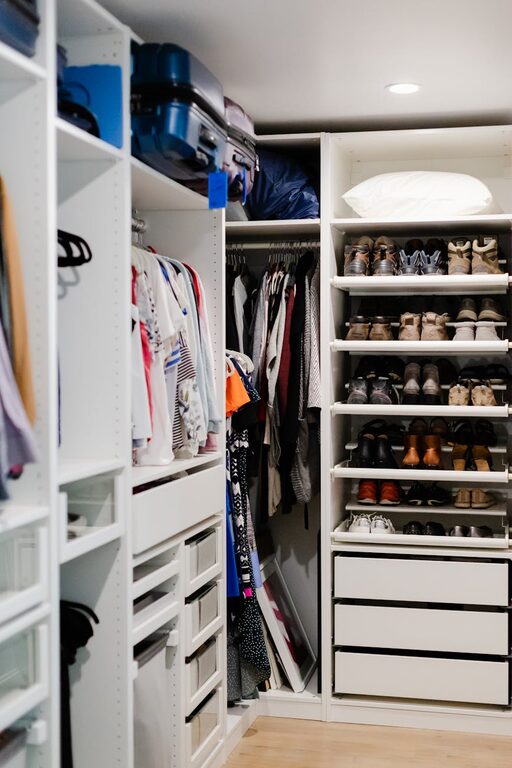
Storing seasonal clothes efficiently is a challenge many of us face, especially when space is limited. Whether it’s bulky winter sweaters or lightweight summer dresses, properly organizing and storing clothes not only saves space but also keeps your garments in great condition. In this post, we’ll explore practical tips on how to store seasonal clothes efficiently, making switching wardrobes easier and stress-free.
Why Proper Storage Matters
When clothes are stored improperly, they can get damaged by moisture, pests, or wrinkles. Proper storage helps maintain the fabric’s quality and longevity. It also makes it easier to find what you need when seasons change, saving you time and effort.
Preparing Clothes Before Storage
Clean Everything
Before packing away any clothes, make sure they are clean. Stains can set in over time and attract insects. Wash or dry-clean items according to the care label instructions, and ensure they are completely dry to prevent mold or mildew.
Repair and Sort
Check for any small repairs like missing buttons or loose seams. Fixing these before storage ensures clothes are ready to wear when you unpack them. Sort your clothes by type or frequency of use to simplify unpacking.
Choosing the Right Storage Solutions
Use Breathable Containers
Avoid plastic bags or sealed containers that trap moisture. Opt for breathable fabric storage bins, garment bags, or cotton storage sacks that protect clothes while allowing air circulation.
Utilize Vacuum-Seal Bags Wisely
Vacuum-seal bags save space but should be used with caution. They work well for durable fabrics like down jackets or synthetic materials but may compress delicate items like wool or silk, potentially damaging fibers over time.
Utilize Closet and Under-Bed Space
For easy access, consider hanging seasonal items in a designated closet section or storing them in under-bed storage bins. Both options maximize your available space without risking fabric damage.
Organizing Seasonal Clothes by Category
When packing, organize clothes by type—sweaters, coats, shirts, dresses—or by occasions, like casual vs. formal wear. This categorization helps you quickly find what you need without unpacking everything.
Label Everything
Labeling boxes, bags, or bins with the type of clothes inside or the season can save time later. Use sticky notes, tags, or printed labels for clarity.
Additional Tips to Keep Clothes Fresh and Protected
Use Natural Repellents
Avoid mothballs and chemical repellents that have strong odors and potential health risks. Instead, use natural options like cedar blocks, lavender sachets, or rosemary bundles to keep pests away and impart a fresh scent.
Store Clothes in a Cool, Dry Place
Humidity and heat can damage fabrics over time. Choose a storage spot like a closet, under the bed, or a well-ventilated room, avoiding basements or attics if they tend to be damp or hot.
Avoid Hanging Heavy Items Long-Term
Heavy sweaters or knitwear can stretch out if hung for months. Fold these items carefully, using acid-free tissue paper to maintain shape and avoid creases.
Seasonal Clothes Storage Ideas by Type
Winter Clothes
– Fold thick sweaters and store in breathable containers.
– Hang coats on sturdy hangers in a closet.
– Use vacuum bags for bulky scarves and gloves, with care.
Summer Clothes
– Store dresses, shorts, and tops in breathable garment bags or boxes.
– Fold swimsuits and light fabrics to prevent snags.
– Keep shoes in shoe boxes or organizers to save closet space.
Rotating Your Wardrobe
Make it a habit to rotate your wardrobe seasonally. When the season changes, take time to clean and inspect clothes before putting them away. This practice helps maintain good clothing condition and keeps your wardrobe manageable year-round.
Final Thoughts
Efficient seasonal clothes storage doesn’t have to be complicated. With a little preparation, the right storage choices, and regular wardrobe rotation, you can keep your clothes fresh, organized, and ready for any season. Start today and enjoy a clutter-free closet tomorrow!